
[ Grow · Services ]
Email and lifecycle marketing.
Automated emails that bring customers back, set up properly.
We set up and run Klaviyo for e-commerce businesses: the automated flows that do the heavy lifting (welcome, abandoned basket, abandoned browse, post-purchase, win-back) and the campaigns that go out alongside them. Email is the only channel where you own the audience outright, which makes it the most reliable revenue in most stores and the most commonly ignored. Setup is usually a one-off project, with ongoing campaign work optional afterwards depending on how much you send.
Why is email worth doing when nobody reads email?
Because the numbers say otherwise, and you can check yours today.
Open your Shopify or Klaviyo reports and look at revenue attributed to email as a share of total. In most stores with even basic flows running, it is a meaningful slice, earned from people who already know you and with no ad spend behind it.
If that number is near zero, it is not because email does not work. It is because nothing is switched on.
Which flows actually make the money?
A small number, and they are the same ones in nearly every store.
Abandoned checkout recovers people who were seconds from buying. Welcome converts new subscribers while interest is highest. Post-purchase drives the second order, which is where profit lives. Browse abandonment catches the almost-interested.
Get those four right before worrying about anything clever. Most stores never do.
Will I annoy my customers?
Only if you send badly, and that is a choice, not an inevitability.
Frequency matters less than relevance. People unsubscribe from irrelevance, not from volume. Segmenting properly, so buyers of one thing do not get pushed the thing they just bought, solves most of it.
The honest exception: some lists genuinely are being over-mailed, and if yours is we will tell you to send less, even though sending more is easier to bill for.

[ The monthly report ]
One page. Plain English.
Every month you get one page: how email did in a sentence, revenue split between automated flows and one-off campaigns, what we changed, what did not work, and what is next.
The split matters because flows keep earning whether anyone sends anything or not. It shows where the money really comes from, and whether more campaigns are worth the effort.
Monthly email report
Example
Email brought in 21% of store revenue this month, most of it from flows nobody had to send.
- Flows
- Welcome, abandoned checkout, post-purchase
- 4 flows live£3,860
- Campaigns
- Newsletters and one-off sends
- 3 sends£1,790
What we did
Added a second abandoned-checkout email at 24 hours. Split the welcome flow for first-time and returning buyers.
What did not work
The discount-led newsletter. More opens, fewer orders than the product-story send.
Next month
Send the post-purchase email two days later, once most orders have actually arrived.
[ Check it yourself ]
Three checks you can run today.
No login for us, no audit fee. Each takes a few minutes in your own account.
- 01
What share of revenue is email?
Compare revenue attributed to email with total store revenue for last month. Near zero usually means nothing is switched on.
Where: Klaviyo › Dashboard, or Shopify › Analytics
- 02
Are the core flows live?
Look for welcome, abandoned checkout, browse abandonment and post-purchase. Each one should be live, not draft or manual.
Where: Klaviyo › Flows
- 03
Does your signup form work?
Sign up on your own site with a new email address. A welcome email should arrive within a few minutes.
Where: Your website and your inbox
[ What's included ]
What you get.
01
Audit of what you have
What is switched on, what is earning and what is missing, written up in plain English.
02
The core flows
Welcome, abandoned checkout, browse abandonment and post-purchase, set up and tested.
03
Win-back
A flow for customers who have not ordered in a while.
04
Segmentation
So people are not sent offers for things they have just bought.
05
Templates
On-brand templates you can reuse for campaigns yourself.
06
Campaign support, if you want it
Optional ongoing help with regular campaigns once the flows are running.
[ How it works ]
From first call to flows that run themselves.
Start
Discovery call
Free. We look at what share of revenue email brings in now.
Week 1
Audit
Current setup reviewed, with a plan and a fixed quote.
Weeks 2 to 3
Build the flows
Flows, segments and templates built and tested with real orders.
Month 2 onwards
Watch the numbers
Compare email revenue before and after in your own Klaviyo dashboard.
[ Is it a good fit? ]
Who this suits, and who it does not.
A good fit
- You sell online and customers can buy more than once.
- You have a list of customers or subscribers, even a small one.
- You are on Shopify or can connect your store to Klaviyo.
Probably not right yet
- Customers almost never buy twice from you.
- You have no list and very little traffic yet. Get visitors first.
[ Cost ]
What it costs.
Setting up the core flows is a fixed-price project. Ongoing campaign help, if you want it, is part of monthly Grow work, from £750 to £2,500 a month depending on scope.
See all pricing→[ Examples ]
Some of the sites we've had a hand in.
- craftycanary.co.uk
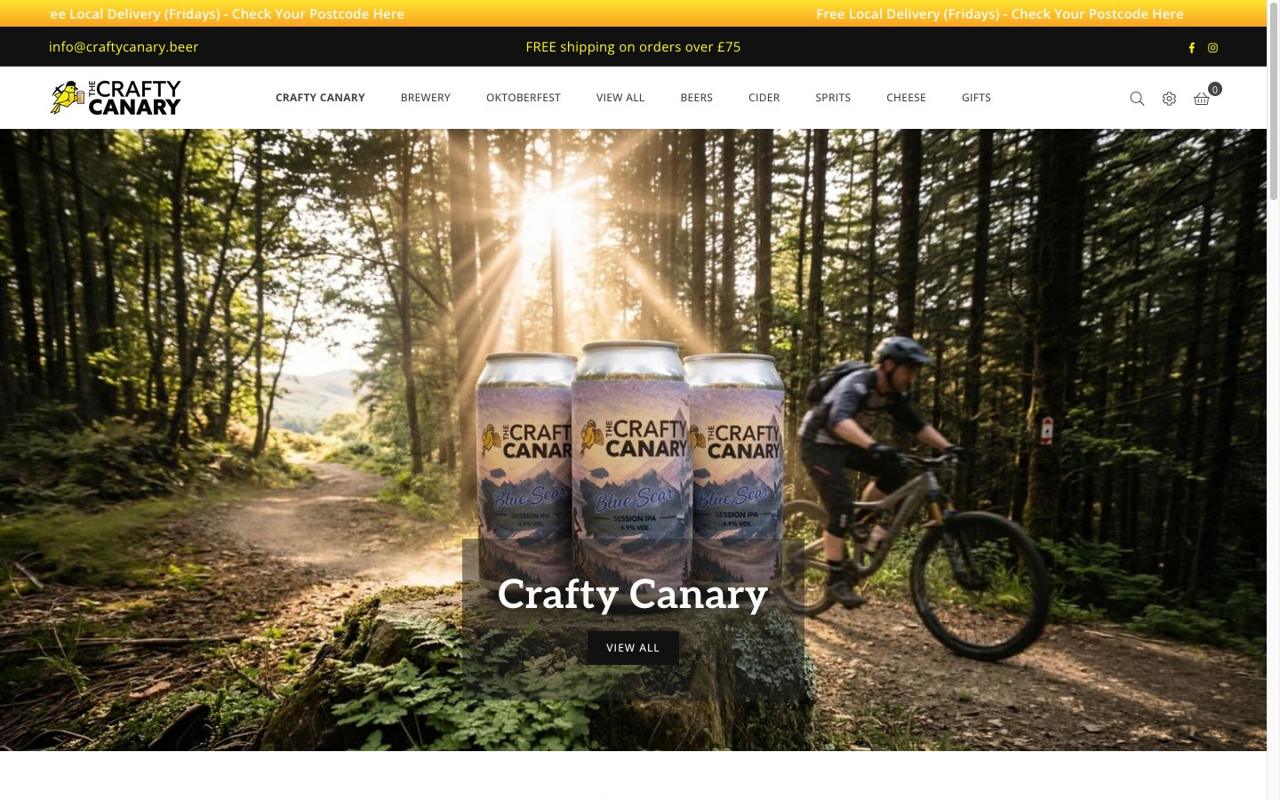
Crafty Canary Shop
Craft beer, cider, spirits and gifts, delivered across the UK.
(opens in a new tab) - lilpoochthang.co.uk
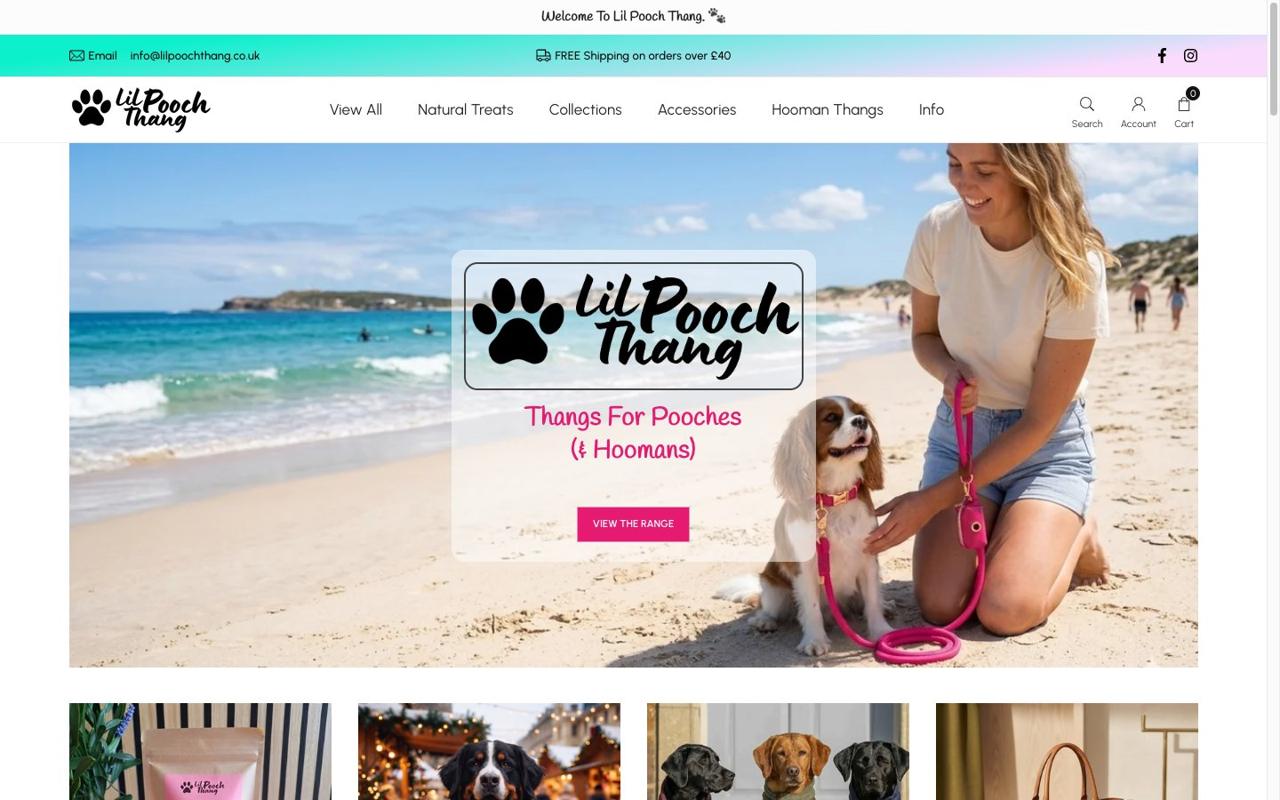
Lil Pooch Thang
Natural treats and accessories for dogs (and their humans).
(opens in a new tab) - 7idp.co.uk
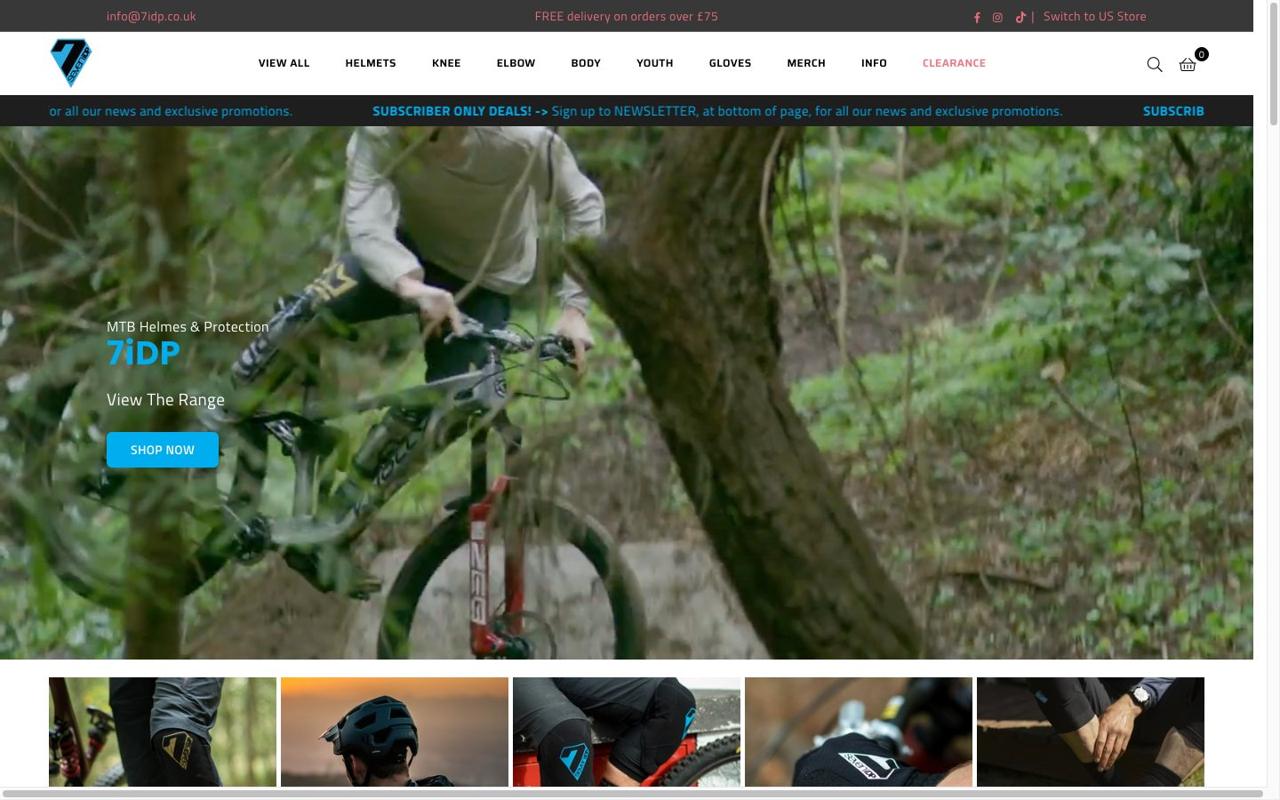
7iDP
Helmets, pads and protection for riders, sold direct in the UK.
(opens in a new tab)
[ FAQs ]
Questions people ask us
- Do I have to use Klaviyo?
- No, but for Shopify stores it is usually the right call because the integration is deep and the segmentation is genuinely better than the alternatives. If you are already on Mailchimp, Omnisend or something else and it is working, migrating for its own sake is a cost without a return. We will look at what you have and only recommend moving if the gap is worth the disruption. Switching platforms is not a strategy.
- How much revenue should email be generating?
- It varies hugely by sector, average order value and how often people repurchase, so anyone quoting you a universal percentage is guessing. The more useful comparison is you against you: what is email doing now, and what does it do three months after the core flows are running properly? That is a number you can see in your own Klaviyo dashboard without taking anyone's word for it, which is exactly how it should be.
- Is this a one-off project or ongoing?
- The setup is a project: building the core flows, segmentation and templates properly, which is where most of the value is. After that, ongoing work is optional and depends on whether you send regular campaigns. Plenty of stores have flows running quietly for years earning money with no monthly fee attached at all. We would rather tell you that than sell you a retainer for sending newsletters you do not need.
[ Related services ]
More ways we help you grow
Ecommerce management
We run and improve your store month to month, so you do not have to.
SEO and AEO
Rank in search and get cited by AI answer engines like ChatGPT and AI Overviews.
Content marketing
Useful pages and guides that answer the questions your customers ask.
Google and Meta ads
Google and Meta campaigns built, run and measured against revenue.
Conversion rate optimisation
More sales and enquiries from the visitors you already have.
Analytics and tracking
GA4 and conversion tracking set up so the numbers are right.
Local SEO and Google Business Profile
Google Business Profile and local search, for customers nearby.
Social media management
Organic social, delivered with specialist partners.
[ Contact ]
Check your email revenue, then let's talk
Look up what share of revenue email is bringing in, and book a free call if the number surprises you.

Rather just message?
Reach James directly on Telegram. No form, no account manager, no waiting for a reply that never comes.